Introduction
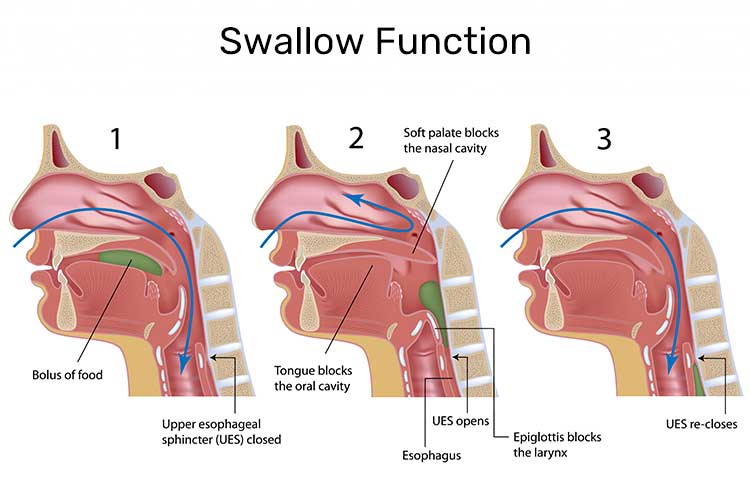
Dysphagia, a clinical term used to explain problem swallowing, is a condition that impacts millions of individuals worldwide. It can come from different causes including neurological problems, structural problems, or simply the aging procedure. For care personnel and specialists operating in health care settings, understanding dysphagia is crucial, not only to make certain proper individual care however also to improve the lifestyle for those influenced. Navigating Dysphagia: Vital Training for Care Staff is a crucial resource that offers to enlighten caretakers concerning the complexities of this problem and supply them with the necessary abilities to manage it effectively.
Understanding Dysphagia: An Overview
What Is Dysphagia?
Dysphagia is more than simply a trouble in ingesting; it's a diverse disorder that can lead to major difficulties like desire pneumonia, dehydration, and poor nutrition. Understanding its ins and outs is vital for any kind of treatment personnel undergoing dysphagia training for carers

Signs and Signs and symptoms of Dysphagia
- Coughing or choking while eating Feeling of food embeded the throat Pain while swallowing Frequent heartburn or indigestion
Recognizing these signs and symptoms beforehand can dramatically boost person outcomes.
The Significance of Dysphagia Training for Treatment Staff
Why Is Dysphagia Training Critical?
Care staff are usually on the front lines when it concerns determining and handling dysphagia. Appropriate training outfits them with the abilities essential to identify signs early and apply secure consuming practices.
Benefits of Dysphagia Training Courses
Enhanced Person Security: Decreasing risks associated with swallowing difficulties. Improved Lifestyle: Ensuring patients enjoy their dishes without stress. Regulatory Conformity: Meeting healthcare laws associated with person care.Components of Efficient Dysphagia Treatment Training
Assessment Techniques
Clinical Swallowing Evaluations
Understanding how to execute clinical ingest examinations will certainly be crucial in any kind of reliable dysphagia training course. This technique assists analyze a client's swallowing capabilities and determine appropriate interventions.

Dietary Modifications
Food Texture and Consistency
One key dysphagia training course listings emphasis area in dysphagia training for nurses is learning how to change food appearances. Foods may require to be blended or adjusted according to specific levels of dysphagia:
|Degree|Texture|Description|| -------|---------------------|----------------------------------|| 1|Pureed|Smooth uniformity; no lumps|| 2|Minced Soft|Soft pieces; very easy to swallow|| 3|Chopped|Little portions; needs eating|
Swallowing Strategies
Techniques for Safe Eating
Training should also include various techniques such as:
- Chin Tuck: Aids stop ambition by directing food down the esophagus. Postural Changes: Positioning can substantially influence swallowing safety.
Navigating Dysphagia: Important Training for Care Staff
The Role of Multidisciplinary Teams
In handling dysphagia, a collaborative method including speech therapists, dietitians, and nursing staff can cause exceptional client results. Every specialist brings one-of-a-kind knowledge that adds to thorough care.
Creating Individualized Care Plans
An important part of dysphagia training entails learning exactly how to create customized treatment plans based upon private assessments. Each person's demands might differ considerably-- what works for one might not work for another.
Challenges in Taking care of Dysphagia
Common False impressions about Dysphagia
Many caretakers could presume that all clients with dysphagia need pureed diet plans; nevertheless, this isn't always real. Education plays a key role right here-- dysphagic patients may have differing levels of difficulty.
Emotional Implications
Living with dysphagia can lead not just to physical difficulties yet also psychological distress such as anxiousness during mealtimes or social isolation. This underscores the importance of emotional support as part of comprehensive dysphagia treatment training.
Frequently Asked Inquiries (Frequently asked questions)
What qualifies as dysphagia?
Dysphagia refers specifically to difficulties in ingesting caused by numerous medical conditions impacting muscle control or coordination.
Can dysphagia be treated?
Yes! Depending upon the underlying cause, treatment alternatives may include treatment, dietary changes, or medical interventions.
How do I know if somebody has dysphagia?
Look out for indicators like coughing during meals, slow consuming rate, or problems concerning food sticking in the throat.
Are there various kinds of dysphagia?
Yes! Dysphagia can be categorized into oropharyngeal (related to mouth/throat) and esophageal (related to esophagus).
Is specialized training required for caring for individuals with dysphasia?
Absolutely! Specialized training ensures that caretakers understand the complexities associated with safely managing individuals with this condition.
What resources are available for more education and learning on dyslexia?
Various organizations offer thorough training courses ranging from on the internet modules to hands-on workshops focused on boosting caretakers' expertise on this topic.
Conclusion
The trip with understanding dysphagia doesn't stop at recognition; it expands right into activity-- training treatment team properly furnishes them with crucial skills required in browsing this complex problem. By spending time in proper dysphagia training courses and embracing a multidisciplinary approach, we improve not just patient security yet enrich lives through compassion and understanding. The essence behind Navigating Dysphagia: Vital Training for Care Staff lies not simply in education and learning yet in cultivating a compassionate atmosphere where every dish ends up being a possibility for link rather than discomfort. Therefore, prioritizing this necessary training leads the way toward much better health end results and enhanced quality of life for those affected by dysphasia.